Electrical advice
Practical answers for Vermont homes and electrical projects
Read clear guidance on repairs, panel capacity, generators, rewiring, permits, estimates, and electrification.
Older homes & rewiringRequest a licensed evaluation when a fuse box shows damage, heat, odor, corrosion, improper modifications, repeated operation, inadequate distribution, insurance or transaction concerns, or conflicts with planned loads. Never replace a fuse with a larger rating as a shortcut. If replacement is recommended, compare quotes for the complete panel or service scope, circuit corrections, grounding, permits, utility work, labeling, and restoration.
Read article →Local project planningFor a Burlington ADU, list all heating, water-heating, cooking, laundry, ventilation, alarm, lighting, receptacle, exterior, EV, and future loads before the electrical design is fixed. Coordinate zoning and construction approvals with electrical trade permitting, have the service and panel evaluated, confirm metering and utility questions with Burlington Electric Department, and assign rough inspection, wall closure, commissioning, and closeout in the project schedule.
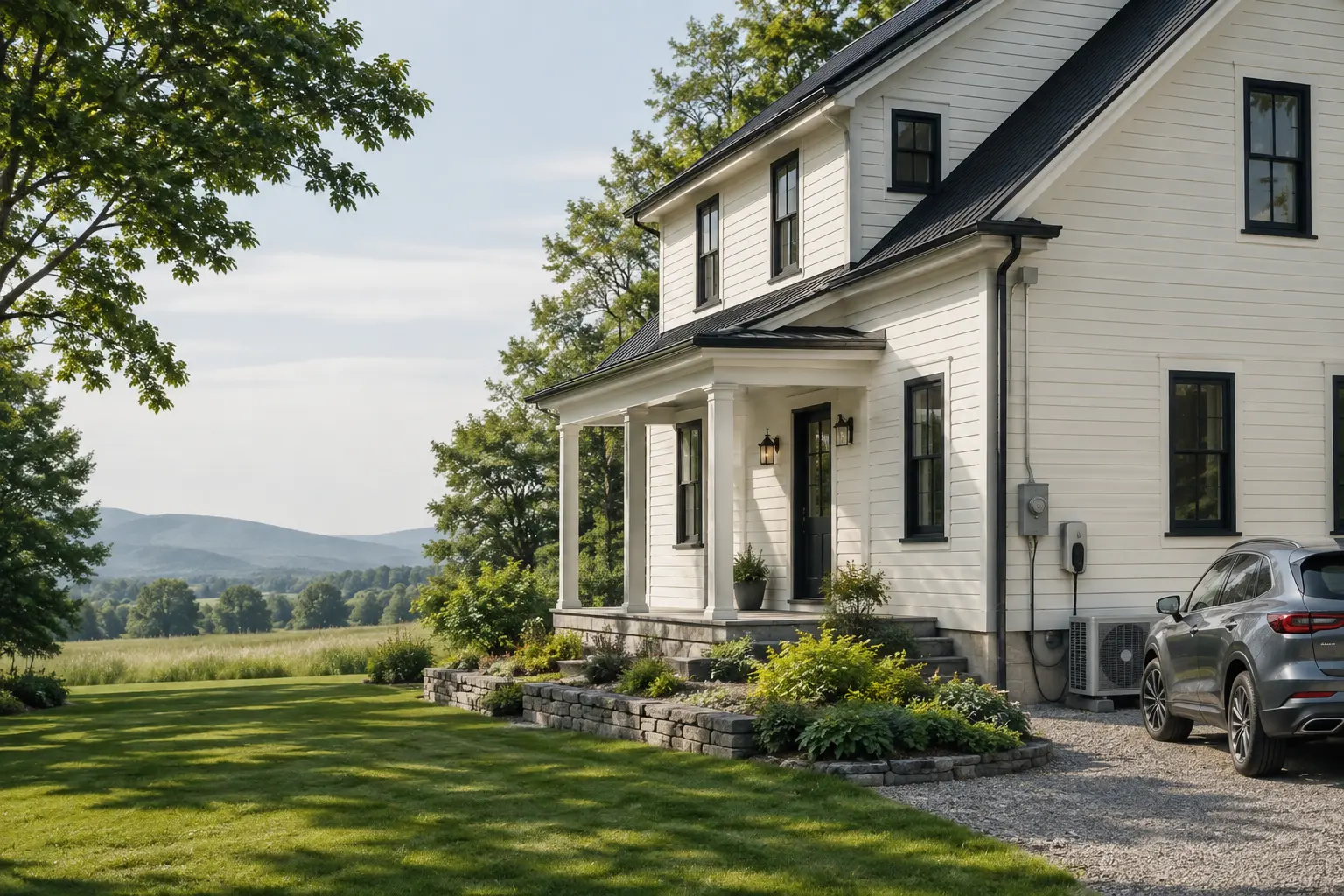
Read article →EV chargingFor outdoor EV charging in Vermont, select equipment listed for the environment, then plan a mount and route that protects the charger and cord from vehicle impact, plowing, snow storage, standing water, and routine access. Match the charging rate to daily driving and electrical capacity, verify permits and utility-program requirements before purchase, and follow the charger and vehicle manufacturers’ cold-weather instructions.
Read article →Older homes & rewiringIf a Vermont home may have aluminum branch-circuit wiring, ask an electrician experienced with the condition to identify the wiring, evaluate representative connections and warning signs, explain the accepted repair strategy for the actual system, and document the scope. CPSC advises consumers not to attempt inspection or repair themselves and identifies heat, odor, smoke, sparks, flickering, and failed circuits as warning signs that need prompt professional attention.
Read article →Local project planningBurlington’s Building & Trades Division says the City adopted updated building-safety rules in November 2025. For a 2026 electrical project, describe the complete scope to the City and electrician, confirm which trade and construction permits apply, identify the current inspection sequence, keep required work exposed, and assign application, fees, corrections, access, and final closeout in the contract.
Read article →Local project planningFor Burlington rental electrical work, identify the authorized owner or local property manager, complete scope, affected units, occupants, access window, warning signs, permit or report deadline, and expected outage. Burlington’s Building & Trades information addresses advance tenant notice and owner or manager presence for inspections. Confirm the current procedure and put notice, access, permit, correction, and closeout responsibilities in writing.
Read article →